Frankie Braun · 25 October 2026
Frostvale Bakers Experiment with Heirloom Grain Recipes for Seasonal Breads
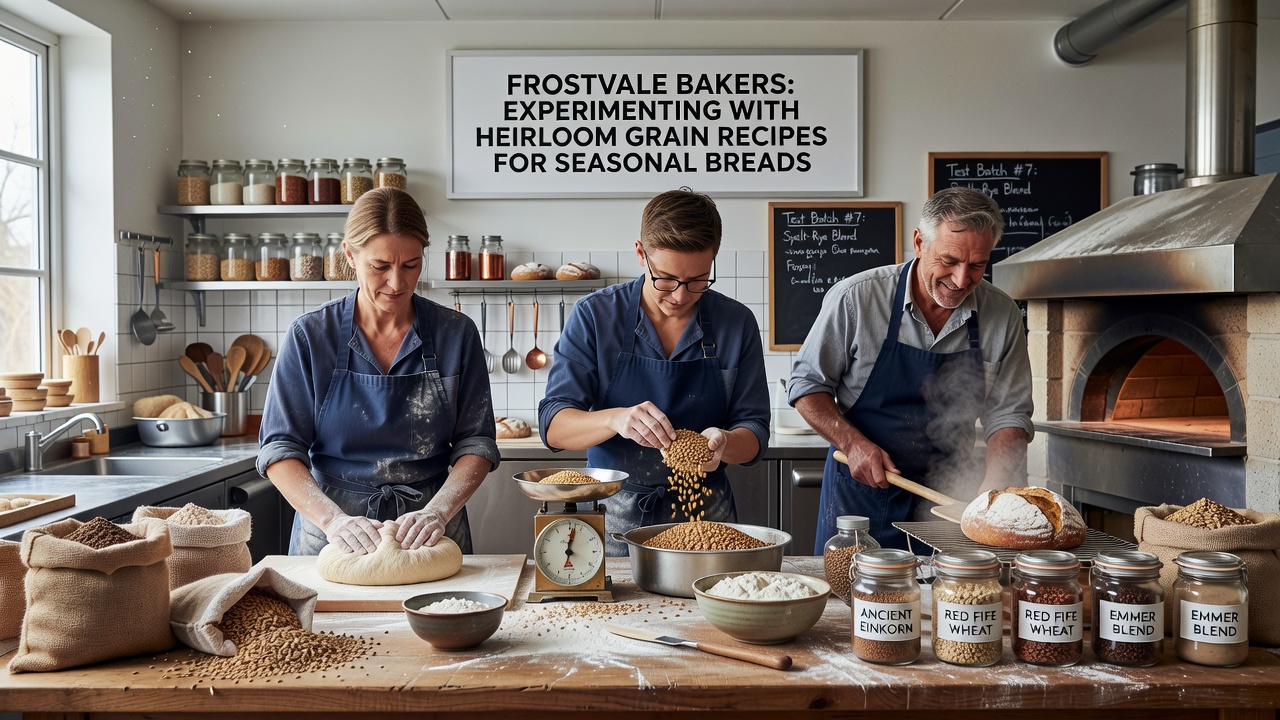
Bakers across Frostvale have turned to heirloom grain varieties in recent months as they develop new recipes for seasonal breads, with several experiments underway by October 2026 that focus on grains such as red fife wheat, emmer, and einkorn. These efforts draw on historical cultivation records while adapting to current flour availability and local milling practices.
Shift Toward Heirloom Grains in Local Bakeries
Local operations have sourced these grains from regional farms that maintain seed stocks passed down through generations, and bakers report testing small-batch milling techniques to preserve the distinct protein profiles and flavor compounds found in older varieties. Data from the U.S. Department of Agriculture shows that heirloom wheat acreage in parts of the northern plains increased by 12 percent between 2023 and 2025, a trend mirrored in Frostvale supply chains.
One bakery on the valley’s east side began incorporating emmer into its October harvest loaves after securing a direct contract with a grower who maintains a 40-acre plot dedicated to the grain. The resulting dough required adjustments to hydration levels because emmer absorbs water differently than modern bread wheat, yet it produced a denser crumb that holds up well during longer fermentation periods.
Seasonal Recipe Development for Fall and Winter
By early October 2026, several Frostvale establishments had finalized recipes that pair these grains with ingredients such as roasted squash, dried apples, and local honey. A multi-grain boule combining red fife and spelt now appears on daily menus, while a separate line of seeded rye loaves incorporates caraway and fennel that reflect traditional northern European baking methods documented in 19th-century cookbooks.
Researchers at the University of Saskatchewan’s Crop Development Centre have documented how older rye landraces maintain higher levels of certain phenolic compounds compared with hybrid strains, and Frostvale bakers reference similar nutritional profiles when describing their flour choices to customers. These experiments remain limited to pilot batches of 50 to 100 loaves per week, allowing bakers to track fermentation times and crust formation under varying humidity conditions typical of the valley’s autumn weather.
Milling Partnerships and Flour Consistency
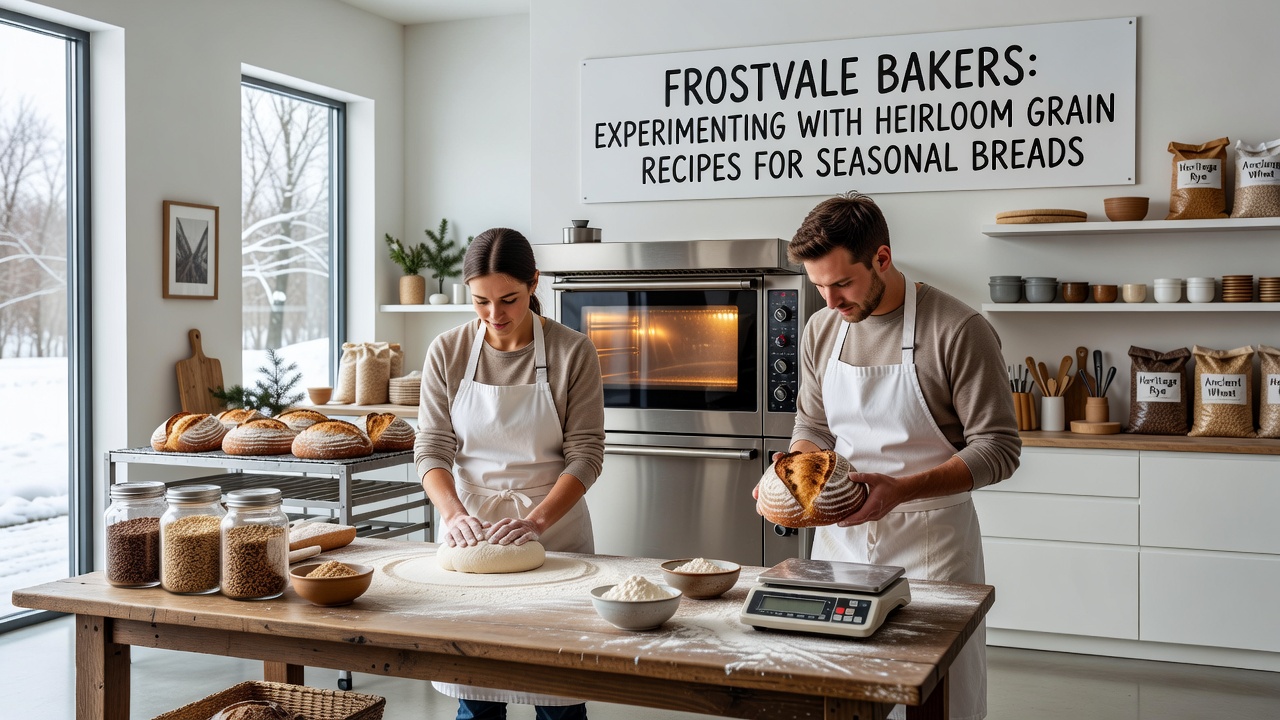
Consistency challenges have prompted several bakeries to collaborate with a small stone mill located 12 miles outside town that processes 200-pound lots of grain on demand. The mill operator adjusts roller gaps and sifting screens for each variety, producing flours with extraction rates between 75 and 85 percent that retain more bran and germ than commercial refined products.
Those adjustments affect dough strength and gas retention, so bakers have extended bulk fermentation by 30 to 45 minutes for most heirloom blends. Temperature logs kept during October 2026 show that ambient room conditions between 68 and 72 degrees Fahrenheit produced the most stable results across three separate test kitchens.
Customer Response and Inventory Planning
Retail records indicate that loaves made with these grains sell at a 15 to 20 percent higher price point than standard wheat breads, yet weekly sell-through rates have remained above 85 percent since late September. Bakeries track these figures through point-of-sale systems and adjust production schedules accordingly, often running second shifts on Thursdays and Fridays to meet weekend demand.
Additional trials scheduled for November will test combinations that include buckwheat and oats grown on the same farms, expanding the range of seasonal offerings while maintaining the focus on grains that require fewer synthetic inputs during cultivation. The ball remains in the bakers’ court to refine these formulas before the holiday season begins.
Conclusion
Frostvale’s ongoing work with heirloom grains demonstrates a measured approach to recipe development that balances flavor characteristics, milling logistics, and seasonal ingredient availability. Continued documentation of fermentation data and sales patterns will inform whether these experiments expand into larger production runs in 2027.