Frankie Braun · 11 October 2026
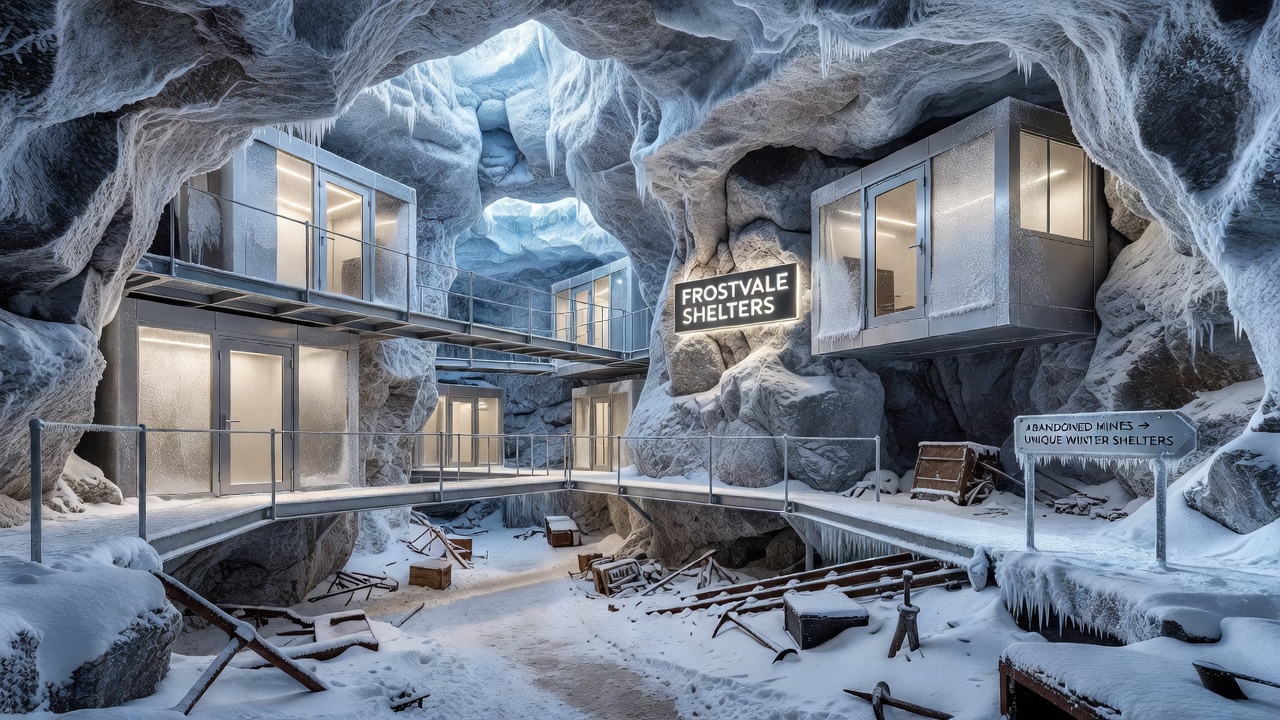
Frostvale's Abandoned Mines Converted into Unique Underground Winter Shelters
Frostvale's abandoned mines once sat empty after decades of copper and silver extraction ended in the late twentieth century, yet local authorities began exploring their potential as winter shelters around 2022 when housing pressures mounted during extended cold snaps. Engineers mapped the stable rock formations first, then installed ventilation systems that maintain consistent temperatures between 45 and 55 degrees Fahrenheit even when surface conditions drop well below freezing. Data from the United States Geological Survey shows these underground spaces retain heat effectively because surrounding rock acts as natural insulation, which reduces energy needs compared to above-ground structures. The conversion process combined structural reinforcements with modern safety features while preserving original tunnel layouts where possible. Crews reinforced ceilings with steel mesh and added emergency exits at multiple points along each corridor. Electrical teams ran wiring for LED lighting and backup generators, while water management systems now divert seepage into collection tanks that supply restrooms and kitchen areas. One project timeline released by Frostvale Valley officials indicates the first shelter opened to residents in late 2024 after eighteen months of work, and two additional sites reached completion by spring 2025.Design Features and Daily Operations
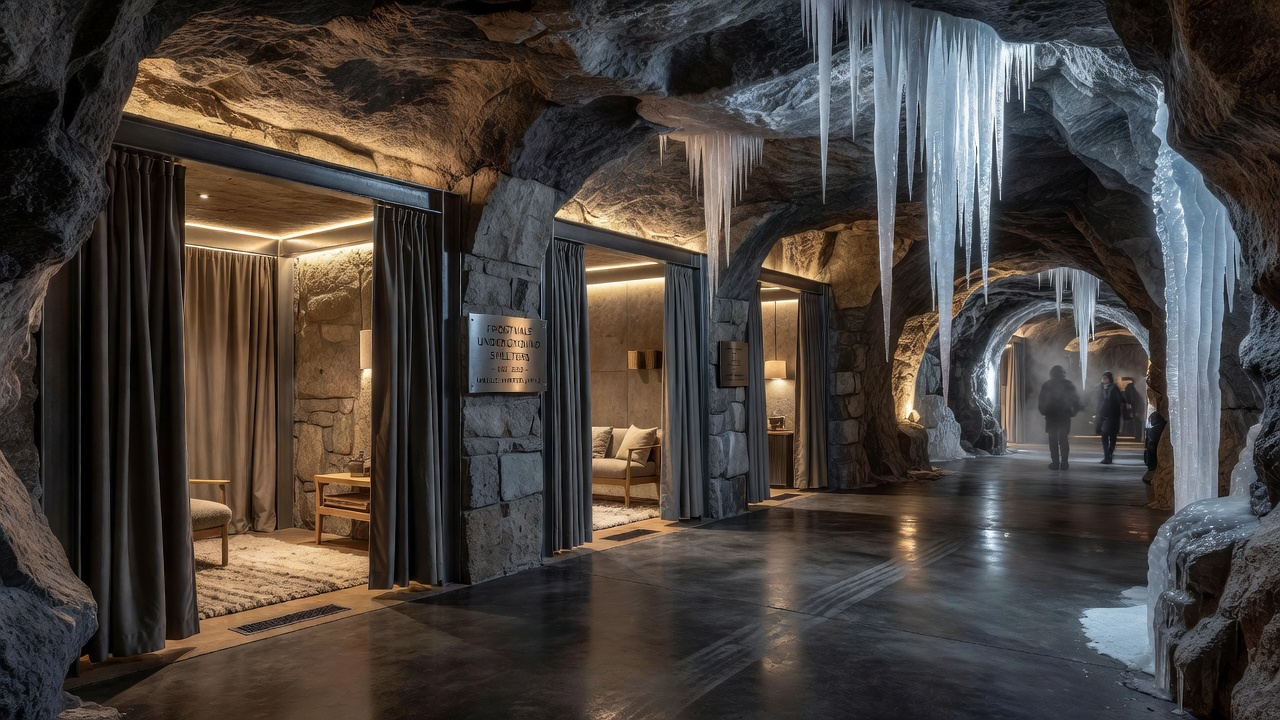
Each shelter includes dormitory-style sleeping quarters, communal dining halls, and designated medical stations equipped with basic supplies. Walkways feature non-slip flooring and handrails, while separate zones handle laundry and storage for seasonal clothing. Staff rotate shifts to monitor air quality sensors and coordinate meal services drawn from local food banks. Figures from the Frostvale County Emergency Management Office reveal that the facilities housed 340 individuals during the 2025-2026 winter season, with average stays lasting twelve days.
Researchers at the University of Alberta have studied similar mine repurposing efforts in Canada and noted that underground environments can lower heating costs by up to 60 percent when properly sealed. Frostvale planners incorporated those findings by adding automated humidity controls that prevent condensation buildup on walls. Visitors often remark on the quiet atmosphere created by thick rock barriers that block surface wind noise entirely.
October 2026 Updates and Expansion Plans
October 2026 brought new activity as crews began retrofitting a fourth mine shaft located near the eastern ridge of Frostvale Valley. Workers installed solar-powered exhaust fans along the access road while geologists conducted final stability tests before interior fit-out. County records indicate this site will add capacity for another 120 people once finished by early December. Partnerships with regional construction firms have kept the project on schedule despite earlier supply delays for specialized ventilation parts.
Community volunteers assist with orientation sessions that teach new arrivals how to navigate the tunnels using color-coded signage. Meals emphasize locally sourced ingredients when available, and recreational corners offer board games plus reading materials collected through library donations. Observers note that the shelters also serve as warming centers during daytime hours for those who maintain separate housing but need temporary relief from extreme cold.
Environmental and Economic Context
Reusing existing mine infrastructure avoids new land disturbance and preserves surrounding forest habitat according to environmental assessments filed with state regulators. Energy consumption data collected over two winters shows reduced reliance on propane heaters compared to tent-based alternatives used in prior seasons. Local businesses report modest increases in supply orders for bedding and food staples during peak shelter months, which supports a small number of seasonal jobs in logistics and maintenance.
Similar projects appear in other cold-climate regions where legacy mining sites exist. Australian reports on adaptive mine reuse highlight long-term maintenance requirements, and Frostvale teams have budgeted annual inspections to address any rock movement detected through sensor networks. Those measures help ensure continued safety as usage patterns evolve.
Conclusion
The transformation of Frostvale's abandoned mines into winter shelters demonstrates how legacy industrial sites can meet contemporary needs when technical assessments guide each step. Continued monitoring through 2026 and beyond will determine whether additional shafts enter service or whether surface housing programs eventually reduce demand. County reports remain publicly available for those tracking progress on the eastern ridge project and related infrastructure upgrades.