Frankie Braun · 27 September 2026
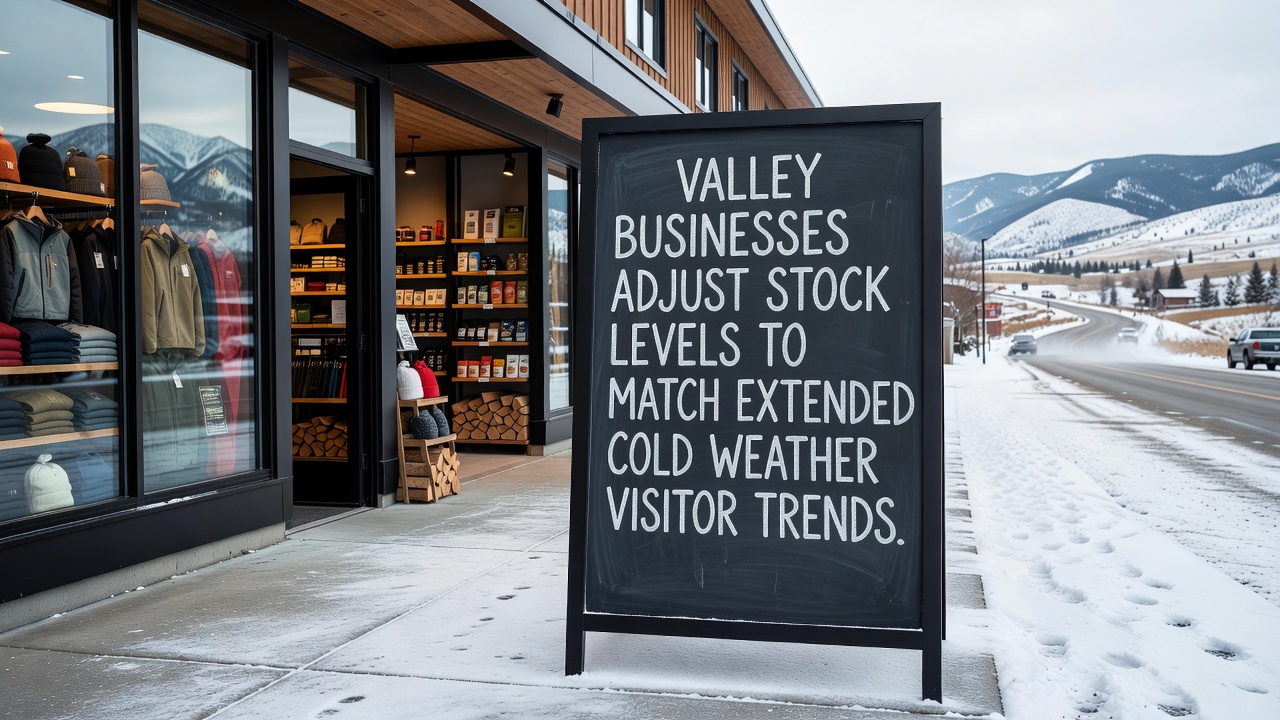
Valley Businesses Adjust Stock Levels to Match Extended Cold Weather Visitor Trends
Weather Patterns Drive Visitor Shifts
Extended periods of cold weather have altered visitor patterns across Frostvale Valley, prompting local businesses to recalibrate inventory decisions based on observed trends in foot traffic and purchasing behavior. Data collected through September 2026 indicates that lower temperatures persisting into early fall months have encouraged more overnight stays and day trips from surrounding regions, with records from regional weather monitoring stations showing temperature anomalies that extend beyond typical seasonal norms.
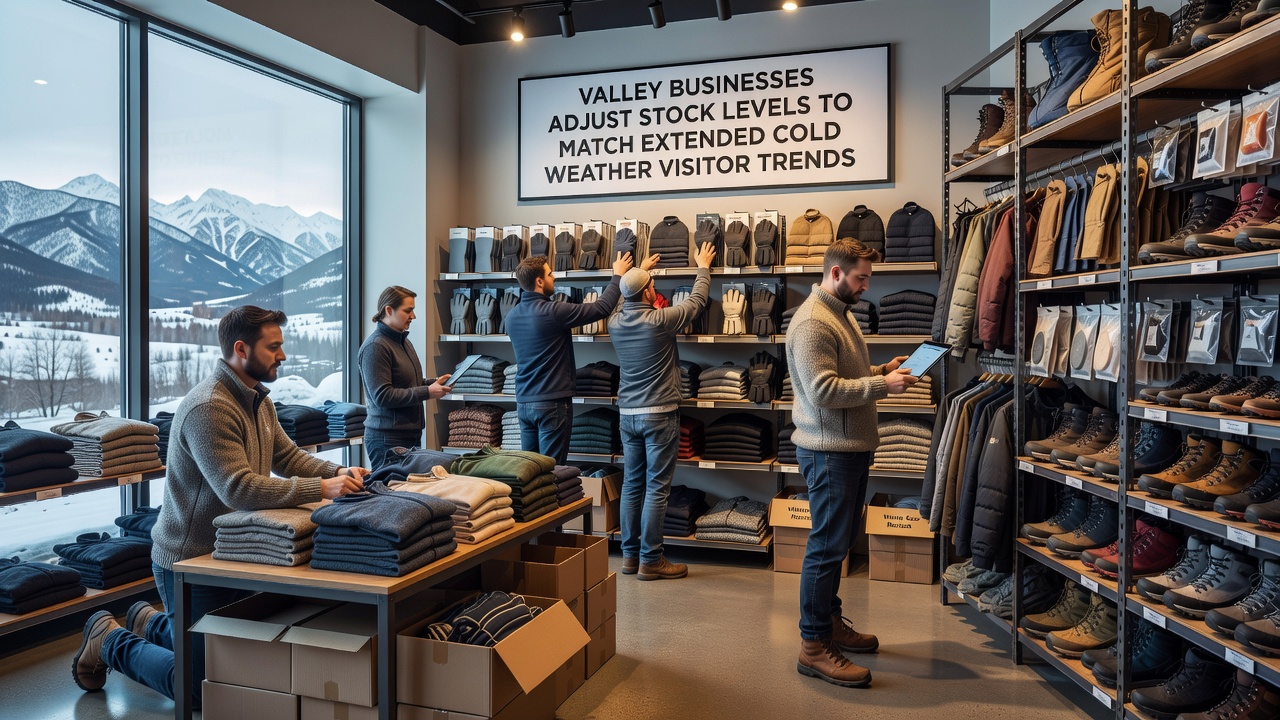
Merchants handling outdoor equipment report higher demand for insulated apparel, heating accessories, and trail-ready provisions, while those in food service have increased orders for warming beverages and preserved goods. These adjustments stem from visitor logs compiled by valley tourism offices, which track arrivals correlated with cold snaps rather than traditional peak seasons.
Inventory Management Responses
Retail outlets in the valley core have implemented real-time tracking systems to align stock with weekly visitor inflows, replacing fixed seasonal orders with flexible replenishment schedules. One hardware supplier noted that sales of portable heaters and snow preparation tools rose steadily through late summer into September 2026, leading to contracts with suppliers that allow weekly rather than monthly deliveries. Grocery stores similarly expanded cold-weather staples such as canned soups and hot drink mixes, drawing from distribution networks that monitor regional temperature forecasts.
Supply Chain Adjustments Observed
Wholesalers serving the area have shifted delivery routes to accommodate the altered demand curve, with logistics firms reporting more frequent shipments of winter-oriented products during what had previously been shoulder months. According to figures from the National Oceanic and Atmospheric Administration, prolonged cold air intrusions have affected multiple western states, creating parallel effects in tourism-dependent communities that mirror patterns seen in earlier northern latitude studies.
Businesses have also coordinated with local warehousing operations to maintain buffer stocks of high-turnover items, reducing instances of empty shelves during sudden influxes. This approach draws on sales analytics platforms that integrate point-of-sale data with external weather feeds, allowing managers to anticipate needs several days ahead.
Visitor Data and Regional Comparisons
Trailhead counters and lodging occupancy records compiled through September 2026 reveal a measurable uptick in arrivals on weekends when overnight lows dip below historical averages. Hospitality operators have responded by pre-stocking linens and amenities suited to colder conditions, while equipment rental shops have rotated winter gear into active inventory earlier than in prior years. These operational changes reflect aggregated data rather than isolated decisions, as valley-wide business associations share anonymized sales summaries to inform collective planning.
Similar inventory shifts appear in comparable cold-climate destinations tracked by Environment and Climate Change Canada, where extended subzero periods have prompted parallel stocking strategies among retailers. The consistency across regions suggests that temperature-driven visitor behavior follows predictable patterns when sustained beyond short-term events.
Longer-Term Planning Considerations
Valley enterprises continue to refine forecasting models that incorporate multi-year climate records alongside current visitor metrics. Trade groups have begun sharing case examples of successful inventory pivots, such as the earlier introduction of layered clothing lines and the expansion of bulk dry goods sections. These practices rely on open data exchanges rather than proprietary forecasts, enabling smaller operators to participate without dedicated analytics teams.
Transportation providers have adjusted freight schedules to support the revised stock cycles, with carriers noting increased demand for temperature-controlled loads during the transitional months. Municipal records indicate that parking utilization near commercial districts has risen correspondingly, though infrastructure upgrades remain outside the scope of individual business adjustments.
Conclusion
Stock level modifications across Frostvale Valley businesses continue to track measurable visitor responses to extended cold weather conditions, supported by weather service data and local occupancy figures. Through September 2026 and beyond, these adaptations rest on coordinated information flows between retailers, suppliers, and monitoring agencies, establishing repeatable processes for future seasonal variations.